
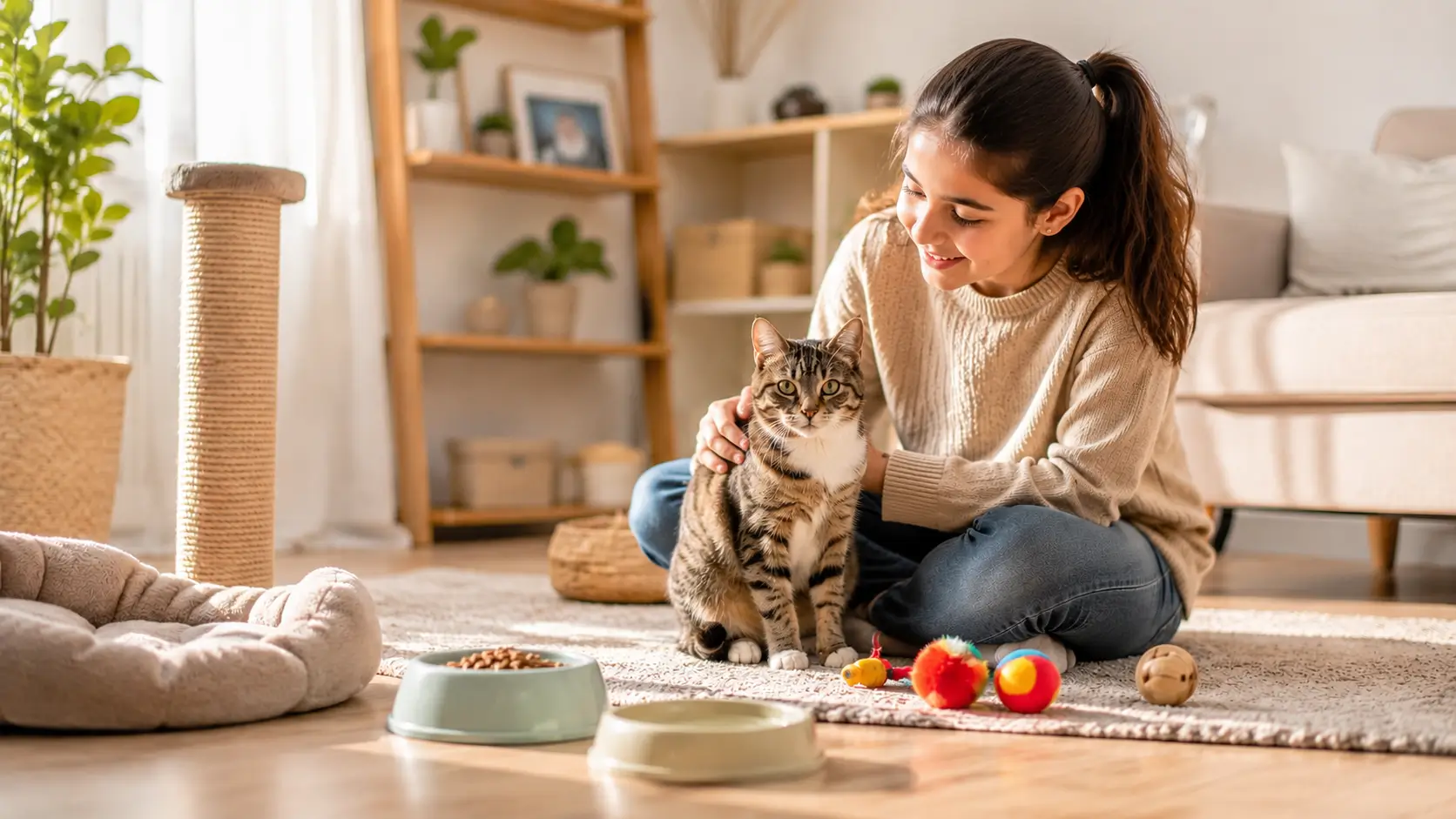
How to Be a Good Cat Owner: A Complete Beginners Guide
You have brought a cat into your life, and now you’re worrying about how to be a good cat owner. That’s completely natural. You’re not just getting a pet; you’re taking on a responsibility, much like caring for a child. Your cat will become a companion that depends on you every day.
I’ve lived with cats for years, from tiny kittens to senior rescue cats. The biggest lesson I’ve learned is that cats don’t need perfection. They need consistency, patience, love, and a safe home.
Many new owners worry about feeding, vaccinations, indoor living, and choosing the right products. Those concerns are completely normal. This guide covers all of these topics in simple language.
I’ll share practical advice that works in real homes, not just textbook tips. By the end of this guide, you’ll know how to be a responsible cat owner and raise a cat properly. We’ll explain how to help an outdoor cat adjust to indoor life.
How to Be A Good Cat Owner
To be a good cat owner, you should care for your cat like your own child. Provide a safe indoor environment, feed high-quality food, ensure constant access to fresh water, and spend time playing with your cat every day. Schedule regular veterinary checkups, keep vaccinations up to date, groom your cat when needed, and maintain good hygiene.
Just as we care for a baby with love, nutritious food, regular health checkups, and timely vaccinations, our cats deserve the same level of care and protection. They rely on us for everything, just as a baby does. Giving them proper attention, preventive healthcare, and plenty of love helps them live a long, healthy, and happy life. A healthy, happy cat depends on responsible, consistent, and loving care.
How to Make a Cat Happy Every Day: Quick Tips
- Play with your cat for 10–15 minutes every day to keep it active and mentally stimulated.
- Serve a balanced, high-quality diet and provide fresh water at all times.
- Clean the litter box daily and place it in a quiet, low-traffic area.
- Create a warm, comfortable sleeping space where your cat feels safe.
- Offer scratching posts and interactive toys to encourage natural behaviors.
- Spend a few minutes bonding with your cat through play, grooming, or gentle affection.
- Let your cat have quiet time and avoid disturbing it while resting.
Best Way to Become a Responsible Cat Owner
Being a responsible cat owner starts with meeting your cat’s daily needs. Small habits can make a big difference in your cat’s health and happiness. Before welcoming a tiny life into your home, it’s important to understand the basics of all pet care advice. The tips below about cats will help you create a safe, loving, and comfortable life for your feline companion.
Create a Cat-Friendly Home & Comfortable Sleeping Area
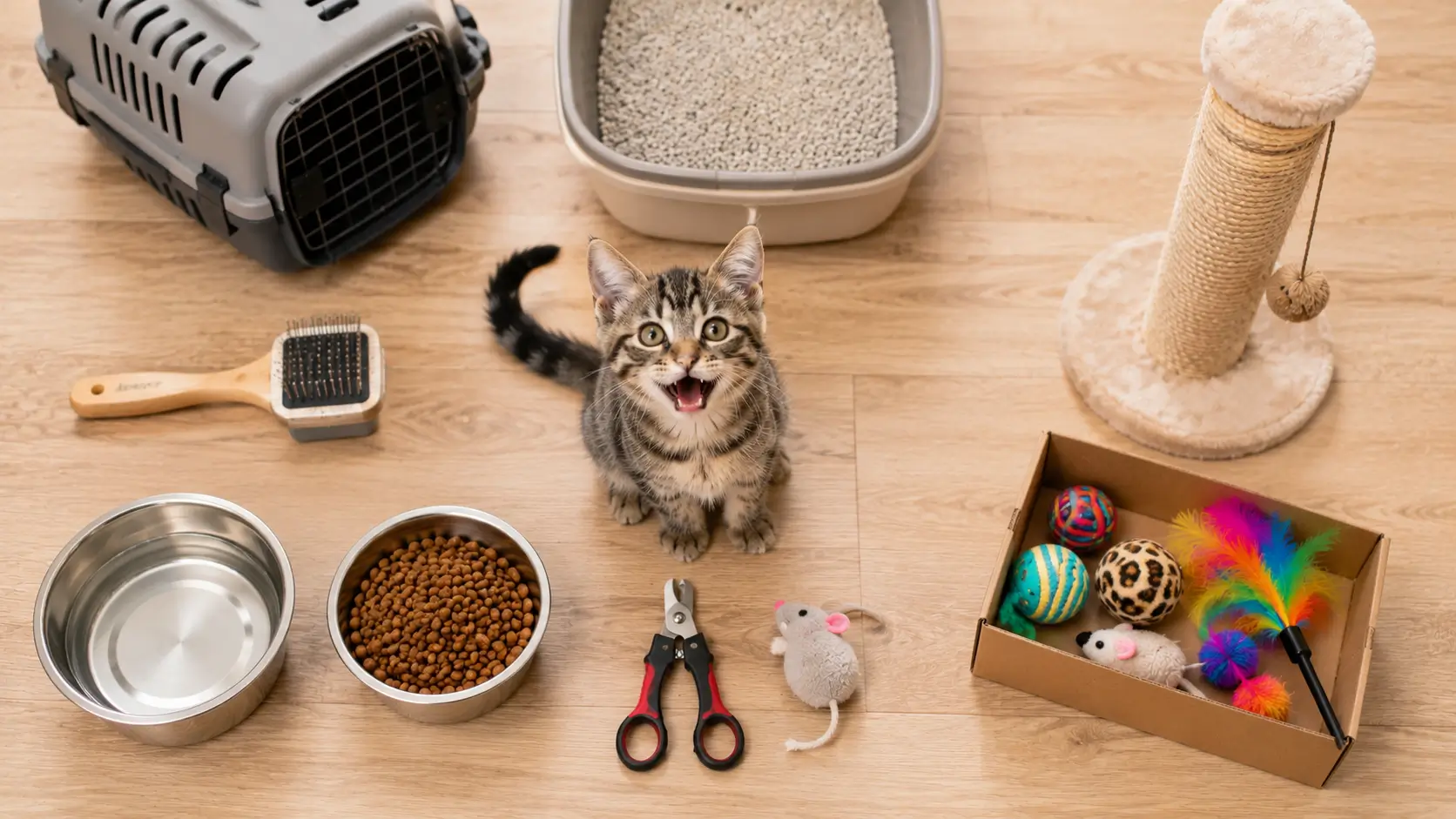
If you’re wondering how to be a good cat owner, start by preparing your home before bringing your cat home.. Set up a comfortable bed, food and water bowls, a litter box, scratching post, and a few toys. Make sure your home is safe by keeping harmful items, toxic plants, and small objects out of your cat’s reach.
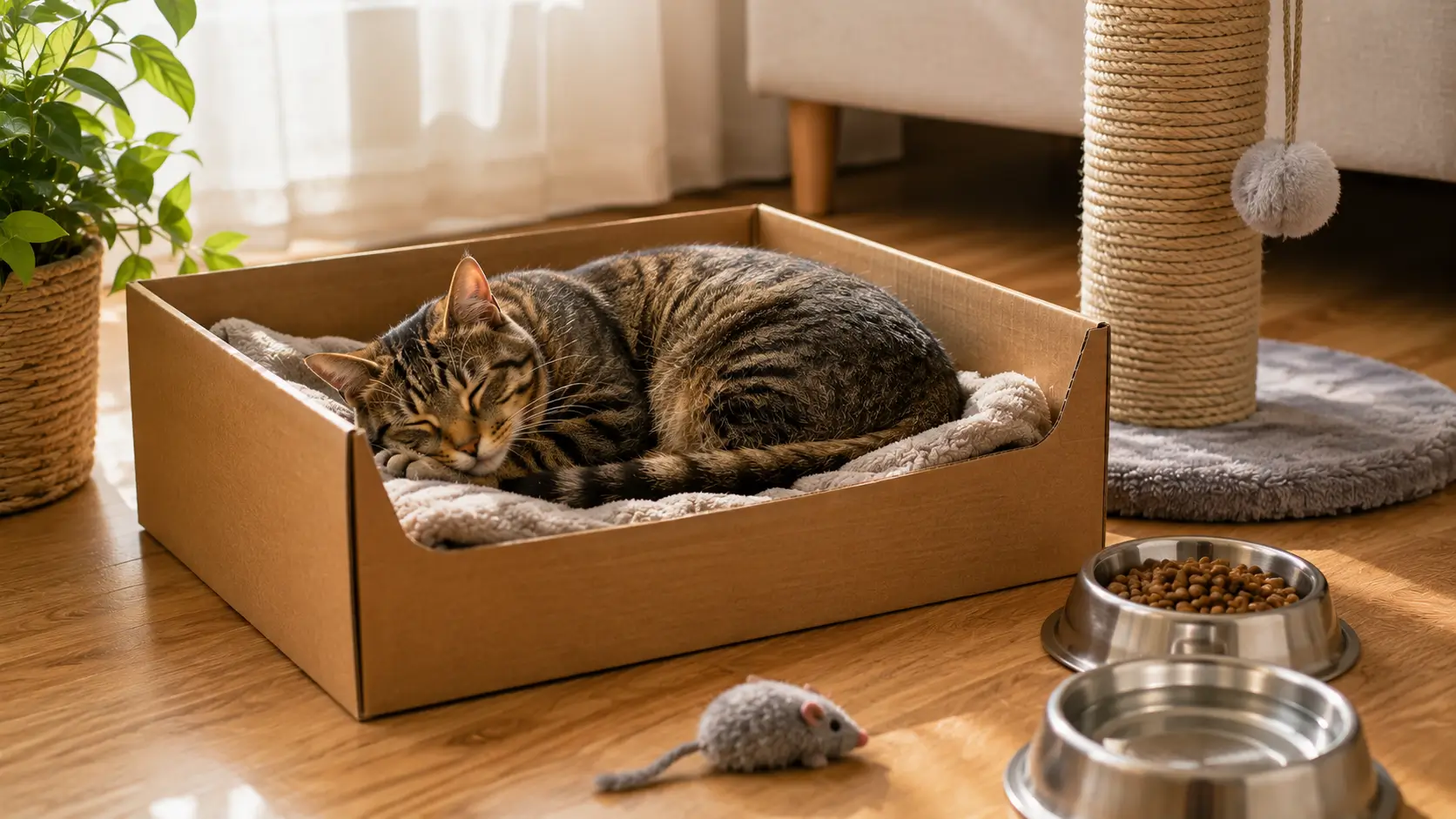
Cats sleep a lot. A quiet corner with a soft bed is enough. Don’t worry if your cat chooses a cardboard box over the expensive bed you bought. Cats often pick places that feel secure, not places that look nice.
Choose a Good Vet
Your cat may need medical care at any time. Choose a trusted veterinarian who can provide regular checkups, vaccinations, and treatment when needed. Preventive care helps detect health problems early, keeps vaccinations up to date, and supports your cat’s long-term health. Follow some veterinarian’s recommendations for your cat’s age, lifestyle, and medical history.
Make Your Cat Feel Loved
Spend time with your cat every day by playing, petting, and talking to them. Respect their space when they want to be alone. Giving your cat love, attention, and a consistent routine helps them feel safe and happy.
Prevent Jealousy Between Pets
If you have another cat or pet, introduce them slowly and carefully. Give each pet equal attention, love, and care so no one feels left out. Some cats may become jealous if they think another pet is getting all your attention. Be patient and help them build a positive relationship over time.
Groom Your Cat Regularly
Brush your cat’s fur to remove loose hair and prevent tangles. Trim their nails when needed and keep their ears and teeth clean. Regular grooming keeps your cat healthy and helps you notice any skin or health problems early.
Provide Quality Food & Fresh Water
Feed your cat high-quality food that meets its age and nutritional needs. Choose a quality cat food that matches your cat’s age. Kittens need more calories and protein because they’re growing quickly. Adult cats need balanced nutrition to maintain weight and energy.
A healthy diet supports strong bones, a shiny coat, and overall good health. Many cats don’t drink enough water. Some prefer running water, so a water fountain can help. If you use bowls, wash them daily and keep them away from the litter box. Signs your cat may need more water:
- Dry or sticky gums
- Less energy than usual
- Very concentrated urine
- Straining in the litter box
Daily Exercise & Mental Stimulation
Indoor cats especially need movement. Short play sessions are better than one long session. Find out easy and simple ways to play with your cat. Use wand toys, balls, or anything that safely encourages chasing and jumping.
Even 10 minutes of active play twice a day can help prevent boredom and weight gain. A bored cat may scratch furniture, meow excessively, or become destructive. Give them things to do:
- Window perches for watching outside.
- Scratching posts in different rooms.
- Climbing shelves or cat trees.
- Puzzle feeders for treats.
- Rotating toys every few days.
You don’t need all of these at once. Start simple and see what your cat enjoys.
Keep Your Cat Indoors
Keeping your cat indoors protects them from traffic, wild animals, diseases, and getting lost. Indoor cats usually live longer and stay healthier. Give them toys, scratching posts, and climbing areas to keep them active and entertained.
If your cat suddenly goes outside or gets lost, don’t panic. Stay calm and start looking in nearby hiding places. Acting quickly and staying calm gives you the best chance of finding your lost cat.
Teach Your Cat to Be Social
Spend time playing and interacting with your cat every day. Help your cat become comfortable around new people, children, other pets, and different environments. Introduce new experiences slowly and let your cat adjust at its own pace.
Reward calm behavior with praise or treats instead of forcing interactions. Good socialization helps your cat become more confident, friendly, and less fearful in everyday situations.
Spay or Neuter Your Cat
Spaying or neutering is an important part of responsible cat ownership. It helps prevent unwanted kittens and can keep your cat healthier. It may also reduce urine spraying, roaming, and some aggressive behaviors.
Talk to your veterinarian about the best time to have your cat spayed or neutered. This simple procedure can help your cat live a longer, healthier, and happier life.
Essential Supplies Every New Cat Owner Needs
You only need a few basics to start: food, water bowls, a litter box, litter, a scratching post, a carrier, and a few toys. Start with these essentials
- Food and water bowls
- Quality cat food
- Litter box and litter
- Scratching post
- Cat carrier
- Brush and nail clippers
- A few interactive toys
| Item | Why It Matters |
|---|---|
| Food bowl | Stainless steel or ceramic is easy to clean. |
| Water bowl | Encourages hydration. |
| Litter box | Essential for hygiene and training. |
| Scratching post | Protects furniture and keeps claws healthy. |
| Carrier | Needed for vet visits and emergencies. |
| Toys | Provide exercise and mental stimulation. |
| Brush | Reduces shedding and mats. |
| ID tag or microchip | Helps identify your cat if it gets lost. |
If your budget is tight, prioritize the litter box, food, carrier, and scratching post. You can gradually add other supplies as your budget allows. Many retailers offer affordable cat supplies for new owners.
List of Things for a Cat That Aren’t Necessary
To adopt a cat you don’t spend a lot. Many new owners spend money on products that look impressive but add little value to the cat’s life. Here’s what I’d skip first:
- Fancy automatic gadgets: Some are useful, but many solve problems that don’t exist. A simple bowl and regular feeding schedule usually work fine.
- Expensive designer beds: Cats often prefer boxes, blankets, or the couch. Buy one comfortable bed and see if your cat actually uses it.
- Too many toys: A few interactive toys are usually enough. Rotate them to keep things interesting.
- Luxury clothing: Most cats dislike wearing clothes unless there is a medical reason.
- Fancy food bowls with marketing claims: A sturdy, easy-to-clean bowl is all you need.
- Unnecessary supplements: Don’t add supplements just because a label sounds impressive. Ask your vet before using them.
The best investment is usually not a product. It’s good food, regular cheakup, and time spent with your cat.
Final Thoughts
Don’t ask from know how to be a good cat owner, ask yourself how to be a good parents? Being a pet parents is not about buying the most expensive products. It’s about showing up every day. Feed your cat well, keep the litter box clean, provide fresh water, play together, and pay attention to changes in behavior. If you remember one thing from this guide, remember this: consistency beats perfection.
Cats feel safest when life is predictable and calm. Build simple daily habits, be patient during setbacks, and your cat will usually reward you with trust, companionship, and plenty of personality. That’s the real goal of learning how to be a good cat owner, not creating a perfect home, but creating a safe and loving one.
Frequently Asked Questions (FAQS)
Is it hard to own a cat for beginners?
Not usually. Cats are often easier to care for than dogs because they use a litter box and don’t need daily walks. The biggest challenge is not the daily routine but understanding your cat’s needs. Learning how to be a good cat owner means thinking like a caring parent. When you provide proper nutrition, a safe environment, regular veterinary care, and plenty of love and attention, you can give your cat a happy, healthy, and fulfilling life.
How much attention does a cat need every day?
Most cats benefit from at least 15–30 minutes of interactive play plus regular social interaction. Some cats want much more attention, while others are happy simply being near you.
Can cats stay home alone?
Healthy adult cats can usually stay alone for a workday if they have food, water, and a clean litter box. Kittens need more frequent care and should not be left alone for long periods.
Do indoor cats need vaccines?
Yes. Indoor cats still need core vaccines because diseases can enter the home and accidents happen.
Is wet food better than dry food?
Wet food provides more moisture, which many cats benefit from. Dry food is convenient and can be part of a healthy diet. Many owners successfully feed a combination of both.