

How to Find a Lost Cat: Real Search Methods That Work
When we suddenly realize our cat is not at home, we feel scared. At that moment, we may not know what to do or how to find a lost cat. Many people feel worried and confused when their pet disappears. The good news is that many lost cats return home safely. Owners who act quickly often find their pets sooner.
At Fluffy Space we always share real methods we appled . This guide will explain the process in simple and clear steps. You will learn where to search and what to do first. You will also learn how to search for a lost cat safely. These tips can help you stay calm and bring your cat home faster.
Look for the Cat Within First Few Hours After It Goes Missing
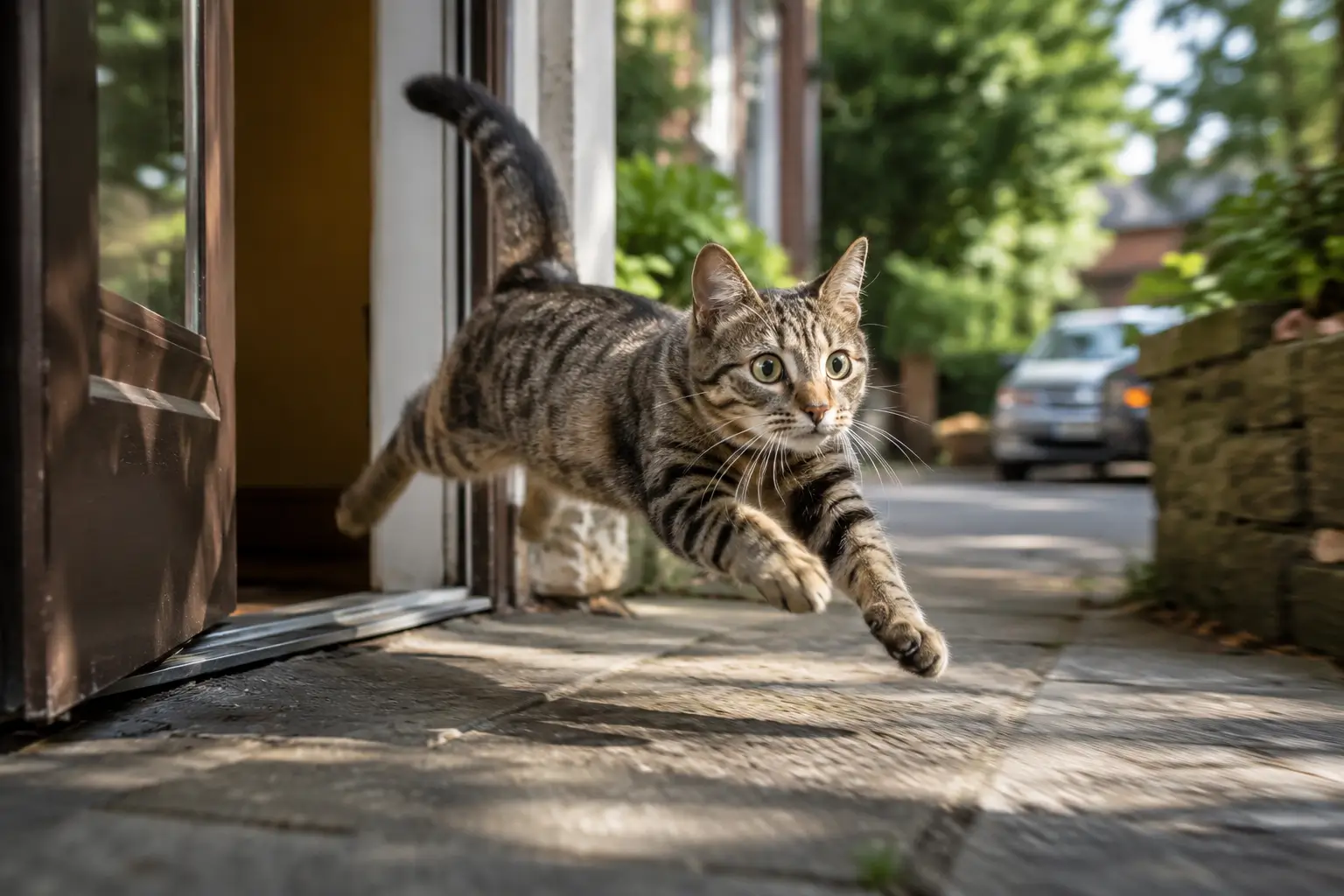
The first few hours after your cat goes missing are the most important. A healthy cat can run very fast when frightened. However, most lost cats do not keep running for long. They usually stop and hide in a safe place close to where they escaped. That is why you should search around your home first.
Looking for your cat within the first few hours gives you a better chance of finding it safely. Many lost cats stay close to home and hide instead of running far away. Start searching as soon as you notice your cat is missing. Check inside your home, your yard, and nearby hiding places before expanding your search.
Acting quickly, staying calm, and following a clear search plan can greatly improve your chances of finding your cat safely. These simple steps will help you look for your cat with confidence and improve your chances of finding it quickly.
Stay Calm and Start Searching Right Away
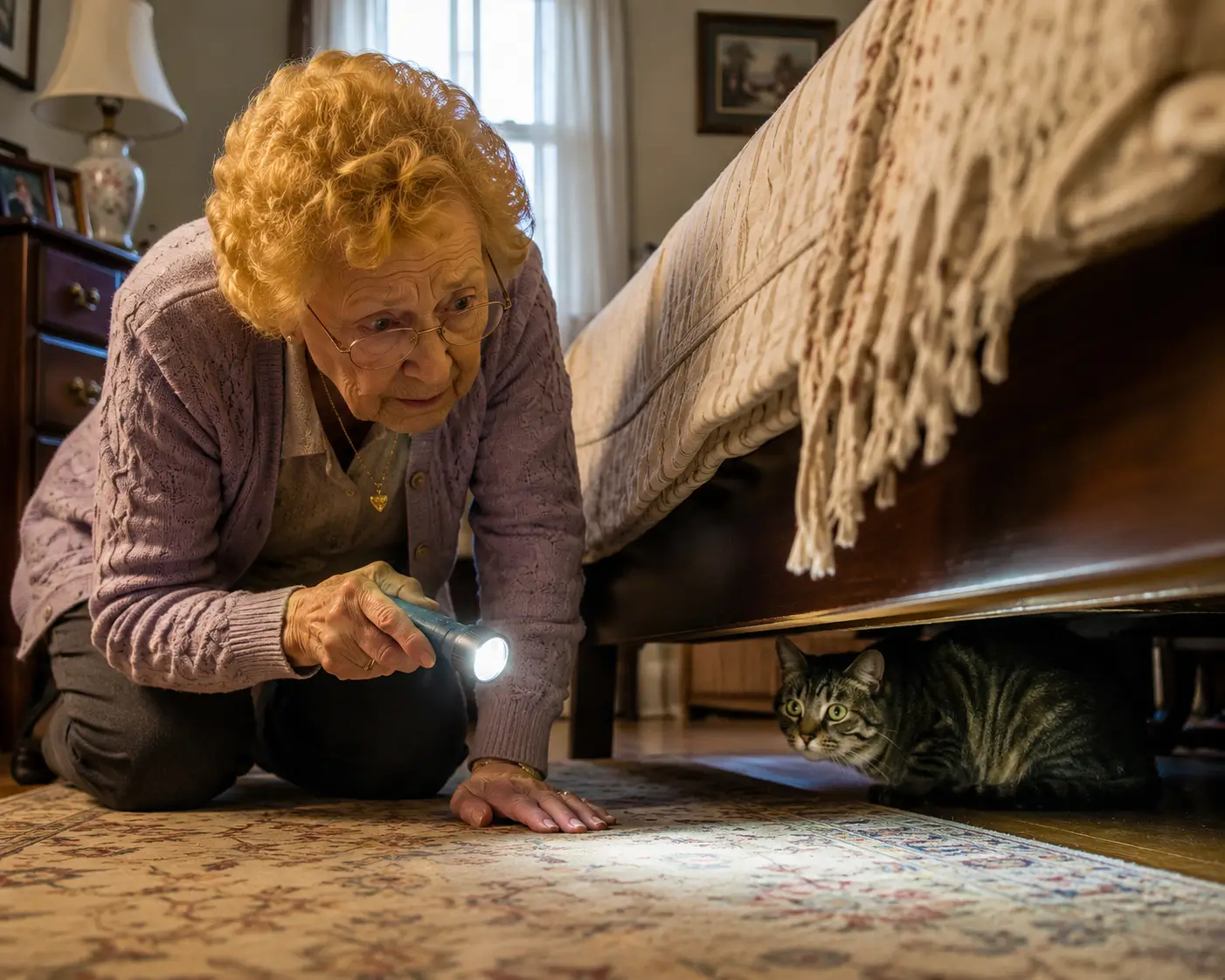
Stay calm when you notice your cat is missing. Panic can make it harder to think clearly. Start looking as soon as possible. Check your home first. Look under beds, behind furniture, inside closets, and in dark, quiet places. Many cats hide nearby during the first few hours. Use a flashlight to check small spaces, and call your cat in a calm, gentle voice.
Quick action can help you find your lost cat faster. The sooner you start searching, the better your chances. Most lost cats stay close to home, often within one-third of a mile. Before searching farther away, carefully check around your house, yard, and nearby areas.
Check Inside Your Home First
Always check inside your home before going outside. Cats love to hide in quiet places. Look inside closets, boxes, and under beds. Check behind curtains and inside cabinets. Some cats hide when they feel scared or tired.
They may stay silent for many hours. Ask family members to help you search each room. Move slowly and check every small space. Many owners find their pets inside the house. This simple step often solves the problem quickly.
Call Your Cat’s Name Softly
Use a soft and calm voice when calling your cat. Shouting may scare them even more. Walk slowly around your home and yard while calling your cat’s name. Stop for a few seconds after each call and listen carefully. Some cats respond with a quiet meow, while others stay silent.
Use the same words or sounds your cat likes and hears every day. Familiar sounds can help your cat feel safe. This is a simple but effective way to look for a lost cat. Be patient, stay quiet, and keep watching carefully. A frightened cat may hear you but still stay hidden until it feels safe.
Think About People Around You
Sometimes, nearby people may take or hide a cat. It can be a prank or simple curiosity. If you feel someone knows something, talk to them calmly. Speak in a polite and friendly way. Do not accuse them without proof.
Try to understand their behavior first. Some people listen when you talk nicely. Others take it seriously when you explain clearly. Tell them your cat is important to you. Ask simple questions and stay patient. A calm approach often works better and may help you find your cat faster.
Real life example: In my own experience, a mischievous little boy in my neighborhood often threw small stones at cats and liked to scare them. One day, my cat went missing. I searched everywhere but couldn’t find him. I had my doubts about the boy, but instead of getting angry or blaming him, I spoke to him kindly.
I promised him a chocolate if he helped me find my cat. After a while, he brought my cat back. Later, I found out that he had hidden my cat himself. This experience taught me that staying calm and speaking politely can sometimes work better than arguing or making accusations.
Shake Their Favorite Food Box
Shake your cat’s favorite snack bag or cat food container while softly calling their name. The familiar sound can catch their attention and help them feel safe. Cats often recognize these everyday sounds from home.
This simple trick may encourage your cat to come out of hiding and move toward you. It is an easy and practical method that many cat owners use. In my own experience, when my cat hides, I shake his biscuit box and he often comes out.
How to get cats to come out of hiding
Lost cats often hide instead of running far away. They search for places that feel safe, quiet, and protected. Many owners believe their cat has traveled a long distance, but in most cases, the cat stays close to home.
Understanding common hiding spots can help you search more effectively. A careful and focused search in these areas can greatly improve your chances of bringing your cat back safely.
Under Cars and Thick Bushes
Many lost cats hide under parked cars and inside thick bushes because these spaces feel secure. Low areas help them stay out of sight and avoid danger. When searching, walk slowly and stay quiet. Use a flashlight to check under every car, especially during the evening or early morning.
Look behind plants, garden furniture, and dense shrubs. Cats may stay still for hours without making any sound. Do not assume your cat is gone just because you do not see it right away. Search carefully and repeat the process several times. Many cats remain hidden during the day and only move when the area feels calm.
Search Garages and Sheds Carefully
Garages and sheds are common hiding places for lost cats. These spaces are warm, quiet, and often left open long enough for a cat to enter unnoticed. Sometimes the door gets closed, trapping the cat inside for hours or even days.
Start by checking your own garage, shed, and storage areas. Look behind boxes, tools, shelves, and in dark corners. Use a flashlight to inspect every hidden space. After that, ask your neighbors to check their garages and sheds as well.
A scared cat may stay completely silent, even when you are nearby. That is why a slow and detailed search is important. These enclosed areas are among the first places you should check when trying to find a missing cat.

Check Neighbor Homes Respectfully
Sometimes cats enter nearby homes without anyone realizing it. Open doors, windows or balconies can give them easy access. Once inside, they may hide in quiet spaces and remain unnoticed.
Speak politely with your neighbors and explain that your cat is missing. Ask if you may check inside or if they can look for you. Focus on areas such as under beds, bathrooms, balconies, rooftops, laundry rooms, and storage spaces.
Cats often choose indoor hiding spots where they feel safe and undisturbed. A respectful approach increases your chances of getting help. Searching nearby homes can make a big difference, especially if your cat is friendly or curious.
Quiet and Dark Places Nearby
Scared cats naturally look for dark and quiet places. They may hide under stairs, decks, porches, crawl spaces, or inside drains. These areas help them feel protected while they adjust to unfamiliar surroundings.
Search slowly and listen for small sounds like scratching or soft meowing. Even if your cat hears you, it may stay silent because fear can stop it from responding. Be patient and check each area more than once.
Focus your search within at least five houses around your home. Most lost cats stay very close and avoid open spaces. A detailed search of nearby quiet spots often leads to success. The key is to stay calm, observant, and consistent.
How Far Away Can a Cat Find Its Way Home?
Many people worry about how far their cat may travel. The truth is that most cats do not go very far. They usually stay within a short distance from home. Understanding your cat’s behavior can help you search in the right area. This knowledge makes it easier to learn how far away a cat can find its way home.
Most Cats Stay Close to Home
Most cats do not travel very far from home. Many lost cats stay within a short distance. They often hide within a few houses or buildings. Fear makes them stay close to familiar places. Owners sometimes search too far too soon. Start your search near your home first. Check your yard and nearby streets. Ask neighbors to watch for your pet. Searching close to home saves time and effort.
Cats Following Other Cats or Mating Instincts
Some cats may wander because they hear or smell another cat nearby. Curiosity can lead them farther than usual, especially in outdoor environments. Unspayed or unneutered cats may also leave home when they are in heat.
Natural instincts can attract them toward other cats in the area. This behavior may increase roaming distance and make it harder for them to return quickly. If your cat is not fixed, expand your search area and ask neighbors if they have seen unfamiliar cat activity nearby.
How to Find a Lost Cat After Moving to a New Home
If your cat goes missing soon after you move to a new home or a new area, don’t search only around your new house. If your previous home is close enough, check that area too. Some cats try to return to places they know because they are familiar with them. Ask your old neighbors to watch for your cat, and put up flyers in both neighborhoods.
You should also post lost cat flyers in both neighborhoods and share your cat’s details with recent photo in local community groups. Contact nearby animal shelters, rescue organizations, and veterinary clinics in both areas. Keep searching every day, as many cats are found several days or even weeks after they go missing.
Can We Find a Missing Cat After Few Days
If you do not find your cat on the first day, don’t give up. Keep searching every day. Some cats stay hidden for several days before they feel safe enough to come out. Even if you could not search properly on the first day, start as soon as you can. Knowing how to find a lost cat takes patience and consistency. Many lost cats are found days or even weeks after they go missing.
Search During Early Morning or Night
Early morning and late night are the best times to search. The area stays quiet during these hours. Cats feel safer when noise is low. Walk slowly and listen carefully. Use a flashlight to see better in dark spaces. Look under cars and near fences. Many cats come out when the environment feels calm.
This method works well when learning how to find a lost cat. Quiet times make it easier to notice small sounds and movements. Scared cats often stay hidden during busy hours and only come out when the area feels calm and safe. That is why searching at night or early morning can be especially helpful when trying to find your lost cat.
Use Your Cat’s Favorite Things
Bring your cat’s favorite food during the search. The smell can attract your pet quickly. Place a small bowl outside your home. Stay nearby and watch quietly. Do not leave large amounts of food outside. Other animals may eat the food, so don’t leave it outside for too long.
Repeat this step every day if needed. Food can sometimes help you find a lost cat. You can also place familiar-smelling items outside, such as your cat’s bed, favorite blanket, or a shirt you’ve worn. These familiar scents may help your cat recognize home and find its way back.
Use Technology to Track Your Cat
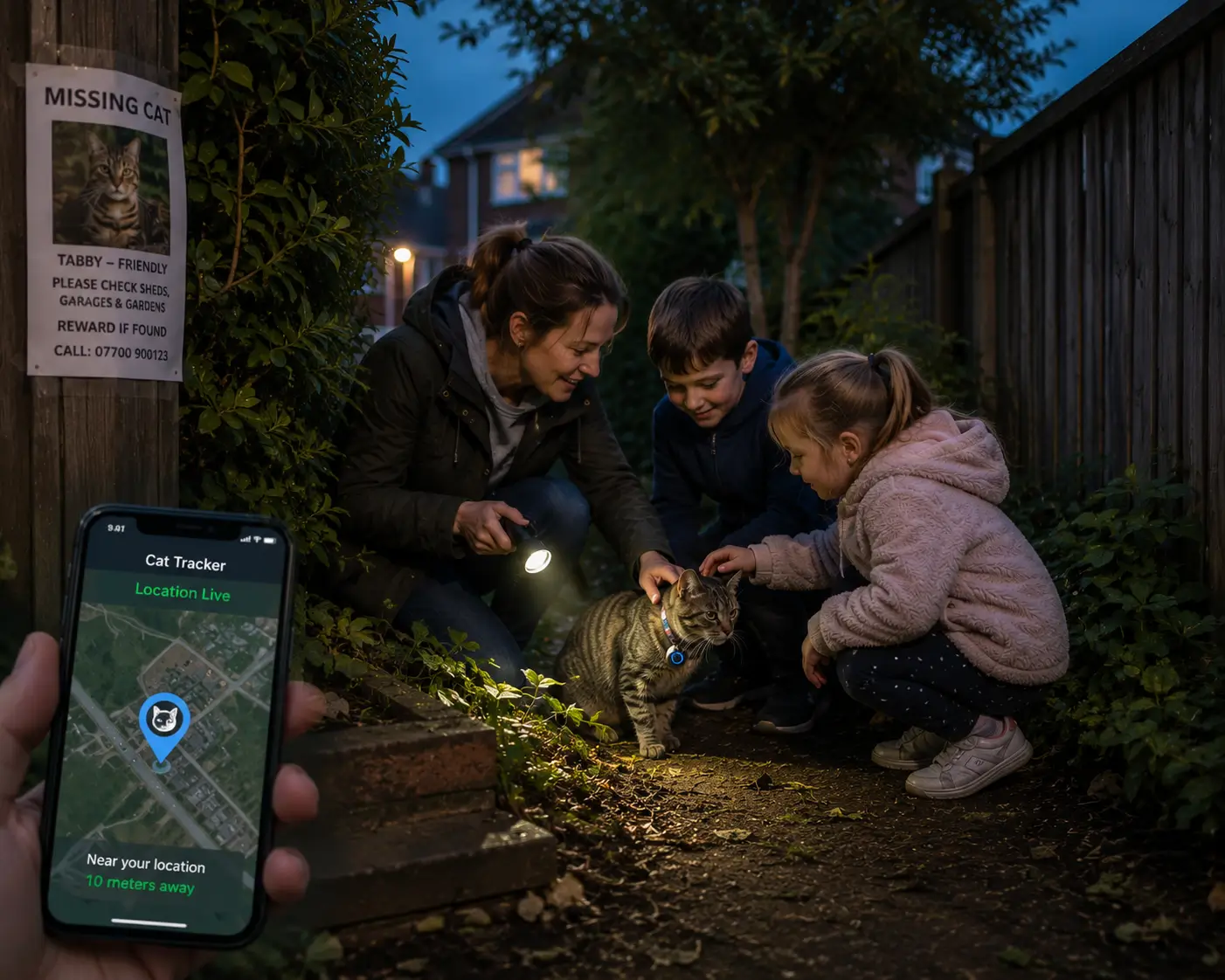
Modern tools can make it easier to find a lost cat. Place food and fresh water near your home or where your cat was last seen. Set up a motion-activated camera to watch the area.
It can help you see if your cat comes back and learn the time it usually returns. If the camera shows that your cat is coming back to eat, you can use a humane trap to catch your cat safely without causing any harm.
Use Flyers and Online Posts to Find Your Cat
Sharing information with others can help you find your cat faster. Many people in your area may see your pet before you do. Flyers and online posts spread the message quickly. Clear photos and contact details help people recognize your cat. Community support often plays a big role in finding lost pets.
Create a Clear Lost Cat Poster
A clear poster helps people recognize your cat easily. Use a recent and bright photo. Write your phone number in large letters. Add simple details about your pet. Include color, size, and special marks. Use bold words like “Lost Cat.” Place posters in busy areas nearby. Check them regularly and replace damaged ones. Good posters help many people learn how to find lost cats in the community.
Post in Local Facebook Groups
Social media is a great way to help find a lost cat. Join local Facebook groups and share a clear photo of your cat with important details, such as where and when your cat went missing. Ask people to share your post. The more people who see it, the better your chances of finding your cat. Be sure to reply politely to comments and messages.
You can also upload your cat’s photo to lost pet websites that use facial recognition technology. These tools may match your cat with reports from people who have found a lost pet.
Contact Animal Shelters and Vets
Animal shelters and veterinarians often help reunite lost pets with their owners. Contact them as soon as possible and share your cat’s photo, description, and your phone number. If you can, visit nearby shelters in person and ask the staff to check for your cat. Leave your contact details so they can reach you if your cat is found.
Check back every few days, as new animals arrive regularly. You should also contact local rescue groups because many volunteers help find and return lost pets. Staying in touch with these organizations can improve your chances of bringing your cat home.
Can Cats Find Their Way Home If They Get Lost
Many cat owners ask this question “can cats find their way home” when their pet goes missing. The answer is yes! Many cats can find their way home. but it depends on the cat and the situation. If your cat is safe it may come back.
Cats have strong senses, especially smell and hearing, which help them recognize familiar places. They often remember routes, scents, and landmarks around their area. Indoor cats may struggle more because they are not used to being outside.
Outdoor cats usually have a better sense of direction because they explore more often. Even so, scared cats may hide nearby instead of coming home right away. This is why owners should not assume the cat is gone forever.
A cat’s ability to return also depends on distance, weather, and stress. Some cats come back within hours, while others take days. Staying patient and searching nearby gives you the best chance of bringing your cat home safely.
How to Prevent Your Cat From Getting Lost Again
Prevention is always better than searching later. Simple safety steps can protect your cat from getting lost. Small changes in daily habits can make a big difference. You can use tools like collars or microchips for extra security. These actions help keep your cat safe and give you peace of mind.
Keep Your Cat Indoors
Keeping your cat indoors reduces the risk of getting lost. Indoor cats stay safe from traffic and danger. They also avoid fights with other animals. Provide toys and activities to keep your cat happy.
Create a comfortable and fun home environment. Spend time playing with your pet every day. Find out some interesting things to do with your cat. Indoor living keeps your cat healthy and secure. This simple habit protects your pet in the future. Safety should always come first.
Use a Collar and ID Tag
A collar with an ID tag helps people return your cat quickly. Write your phone number clearly on the tag. Choose a strong and comfortable collar. Check the collar regularly for damage. Replace it if it becomes loose or broken. Many lost cats return home because of ID tags. This small step makes a big difference. It helps others contact you quickly. Identification saves time.
Consider Microchipping
Microchipping gives your pet extra safety and security. A veterinarian places a small chip under your cat’s skin, and it stores your contact details. Animal shelters and clinics can scan the chip easily if your cat is found.
This works even if your cat loses its collar or ID tag. Many pet owners choose this option because it is safe and reliable. Microchipping gives peace of mind and improves the chances of getting your cat back. Always keep the registration updated with your latest phone number and address so it stays useful when needed. Get more valuablle tipes from trusted source for your cat.
Conclusion
Don’t lose hope! How to Find a Lost Cat starts with staying calm and searching nearby as soon as possible. Always careful about to be a responsible cat owner. Finding a lost cat takes patience and quick action. Many owners feel worried at first, but steady searching brings results. Most cats return home within a few days. Stay calm and keep checking nearby places every day. Use simple steps like calling softly and asking neighbors for help.
Share information online and place clear posters in your area. These actions improve your success when learning how to find a lost cat. Never stop searching too early. Stay hopeful and keep trying every day. Many cats come back when owners stay patient and consistent.
FAQS
What should I do if my cat is still missing after several days?
Don’t give up. Keep searching every day, especially early in the morning or at night when it is quiet. Check the same hiding places again, update your flyers and online posts, and contact local shelters, veterinarians, and rescue groups regularly.
What is the best time to search for a lost cat?
The best time to search is early in the morning or late at night. These times are quieter, so scared cats are more likely to come out of hiding. Bring a flashlight and call your cat in a calm, gentle voice.
How long can a lost cat survive outside?
Many cats can survive outside for several days or even weeks if they find food, water, and shelter. Start searching as soon as possible because finding your cat early is always safer.
Can a lost cat find its way home?
Yes. Many cats can find their way home using their strong sense of smell and memory. However, some scared cats stay hidden nearby instead of coming home right away, so keep searching and don’t wait for your cat to return on its own.
How do I find a lost cat quickly?
Start searching as soon as your cat goes missing. Check inside your home first, then search nearby hiding places like under cars, bushes, garages, and sheds. Call your cat softly, ask your neighbors for help, and post about your lost cat online.