

Natural Cure for Cat Colds: Safe Home Remedies That Really Help
If your cat suddenly catches a cold, you may wonder if there’s a Natural Cure for Cat Colds that can help them recover more quickly. While there is no remedy that can completely cure a viral infection, several safe home care methods can relieve symptoms and support your cat’s natural healing process.
In this guide, you’ll discover treating a cat cold, safe natural remedies, signs that require veterinary attention, and practical tips to help your cat recover as quickly and comfortably as possible.
How to Treat a Cat Cold at Home
Just as simple care can help people recover from a mild cold, the same is true for cats. However, cats are more sensitive than humans, so they need a little extra care and attention. With proper care and support, you can help your cat feel better and recover more comfortably. Most cat colds are mild and can be treated at home.
Although there is no instant cure, you can help your cat feel more comfortable while its body fights the infection. The key is to monitor your cat’s symptoms closely and provide supportive care throughout the recovery period. The home remedies below can help relieve symptoms and support your cat’s recovery.
Many cats start feeling better within one week. However, if you do not see any improvement, don’t delay visiting your veterinarian for proper treatment. If your cat’s condition gets worse, or it stops eating or has trouble breathing, contact your veterinarian as soon as possible. To be a careful cat owner you can ignore these types of symptoms anymore.
Safe & Best Natural Cure for Cat Colds
You can follow these easy tips from Fluffy Space. Some simple and safe home remedies that can help relieve cold symptoms and support your cat’s recovery.
1. Steam for Easy Breathing
Warm steam can help your cat breathe more easily by loosening the mucus in its nose. This may reduce a blocked nose and make your cat feel more comfortable. A simple way to do this is to run a hot shower and sit with your cat in the bathroom for 10–15 minutes.
Keep your cat away from the hot water and do not force it to stay if it feels stressed. Never use essential oils or vapor rubs, as many of them are harmful to cats. Steam is only a supportive home remedy and will not cure the infection itself.
2. Warm Cloth for the Nose
A blocked nose can make it hard for your cat to breathe and smell food. Use a soft, clean cloth soaked in warm water, then gently wipe away any dried mucus around your cat’s nose. Be gentle and avoid rubbing too hard, as the skin around the nose is sensitive. Keeping your cat’s nose clean helps it breathe more comfortably and may also encourage it to eat while recovering.
3. Wipe the Eyes
Cat colds can cause watery, sticky, or crusty eyes. Use a soft, clean cloth soaked in warm water to gently wipe away the discharge. Use a different clean cloth for each eye to help prevent the spread of bacteria or infection. Cleaning your cat’s eyes regularly reduces irritation, keeps the eyes comfortable, and helps your cat feel better while recovering.
4. Keep Your Cat Hydrated
Make sure your cat always has access to fresh, clean water. Drinking enough water helps keep your cat hydrated, thins the mucus, and supports the body’s natural recovery process. Some cats drink less when they have a cold, so you can offer wet cat food, which contains extra moisture. If your cat refuses to drink or shows signs of dehydration, contact your veterinarian.
5. Serve Warm Food
When your cat has a cold, a blocked nose can make it harder to smell food, which may reduce its appetite. Slightly warm up wet cat food before serving it. The stronger smell can encourage your cat to eat.
Eating enough food gives your cat the energy and nutrients needed to support its immune system and recover more quickly. Make sure the food is warm, not hot, to avoid burning your cat’s mouth.
6. Use a Humidifier
A humidifier adds moisture to the air, which can help your cat feel more comfortable while recovering from a cold. The extra moisture may reduce dryness in the nose and throat, making it easier for your cat to breathe. Place the humidifier in the room where your cat rests most often.
Clean the humidifier regularly to prevent mold, bacteria, and other germs from growing inside. Use plain water only and keep the humidity at a comfortable level. Never add essential oils or scented products, as they can be harmful to cats.
7. Provide a Warm Bed
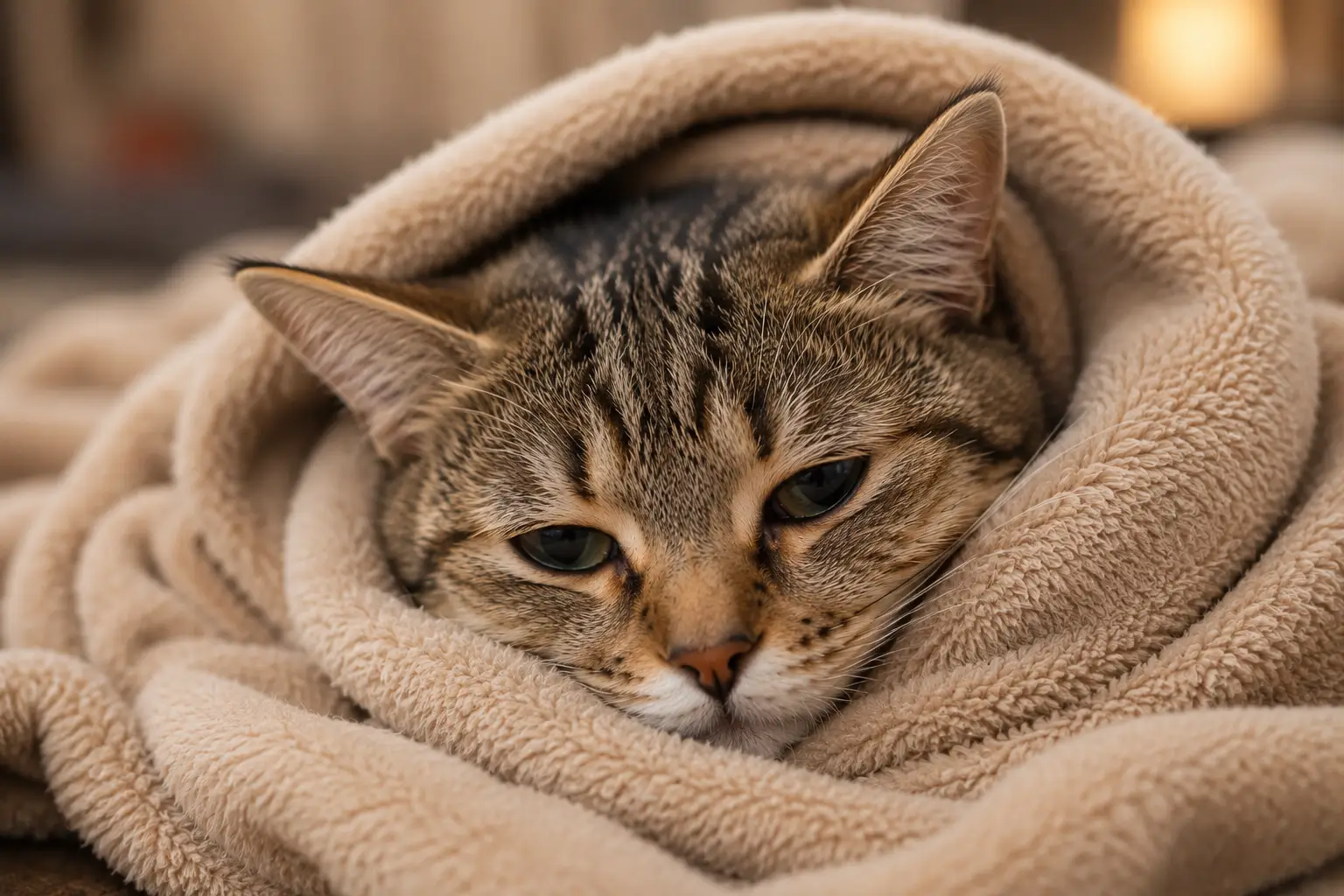
A warm and comfortable place to rest can help your cat recover from a cold. Choose a quiet area away from cold drafts, fans, or open windows. Give your cat a soft bed or blanket where it can rest without being disturbed. Plenty of sleep and rest helps your cat save energy and supports the body’s natural healing process.
8. Reduce Stress
A calm environment can help your cat recover more comfortably from a cold. Keep your cat’s daily routine as normal as possible and provide a quiet place to rest. Avoid loud noises, unnecessary travel, or introducing new pets during this time. Less stress allows your cat to relax, rest better, and support its natural recovery.
9. Healthy Food for Recovery
A healthy and balanced diet gives your cat the nutrients it needs to fight off illness and recover from a cold. Choose high-quality cat food that is rich in protein and easy to eat. If your veterinarian recommends it, supplements such as lysine or probiotics may provide extra immune support for some cats. Never give supplements without your veterinarian’s advice.
10. Add Tuna Juice to Food
If your cat is not interested in eating, try adding a small amount of tuna juice, mashed sardines, or low-sodium chicken broth to its food. The stronger smell and taste may encourage your cat to eat. Make sure these additions are plain and free from onions, garlic, or extra seasonings.
11. Get Vet Help When Needed
Most mild cat colds get better within 1 to 2 weeks with proper care at home. However, if your cat stops eating, has trouble breathing, becomes very weak, develops a high fever, or the symptoms get worse instead of improving, contact your veterinarian right away. Early treatment can help prevent more serious health problems.
When to Take Your Cat to the Vet
Do not risk with your cat health. Most mild cat colds improve with good home care within 1 weeks. Watch your cat closely during this time. If the symptoms do not improve or start getting worse, contact your veterinarian. Cats often hide pain and illness, so early treatment can prevent serious health problems.
Take your cat to the vet if:
- Your cat refuses to eat for more than 24 hours.
- Your cat refuses to drink water or shows signs of dehydration.
- Your cat has trouble breathing or breathes very fast.
- Vomiting or diarrhea lasts longer than 24 hours.
- There is blood in the vomit, stool, or urine.
- Your cat becomes very weak or cannot stand properly.
- Your cat keeps hiding and acts differently than usual.
- Your cat has a high fever.
- Your cat cries or shows signs of severe pain.
- Eye or nose discharge becomes thick, yellow, or green.
- Symptoms become worse instead of better.
- Your cat has a seizure or suddenly collapses.
- You think your cat swallowed something poisonous.
- A kitten, senior cat, or a cat with another health problem develops cold symptoms.
Early veterinary care can help your cat recover faster and reduce the risk of serious complications.
Can Humans Get a Cold From a Cat?
No. Humans cannot catch a common cold from a cat. Most cat colds are caused by viruses such as feline herpesvirus (FHV-1) and feline calicivirus (FCV). These viruses infect cats but do not spread to people.
However, it is still a good idea to wash your hands after caring for a sick cat. This helps prevent the spread of germs to other cats and keeps both you and your pet healthy. If your cat has severe symptoms or an unusual infection, contact your veterinarian for advice.
Can Cats Get Colds From Humans?
In most cases, cats do not catch the common cold from humans. The viruses that cause colds in people are different from the viruses that infect cats. If you have a cold, your cat is very unlikely to become sick from you.
Even so, it is best to practice good hygiene when you are ill. Wash your hands before handling your cat, avoid coughing or sneezing near your pet, and keep your cat’s food bowls and bedding clean. These simple habits help reduce the spread of germs and support your cat’s overall health.
Final Words,
A cat cold can be stressful, but most mild cases get better with good home care. Simple natural remedies like giving your cat plenty of water, warm food, and a quiet place to rest can help them feel more comfortable. However, don’t rely only on home remedies.
If your cat has trouble breathing, refuses to eat, has a high fever, or their symptoms get worse or don’t improve after a few days, take them to a veterinarian. Early treatment can prevent more serious health problems and help your cat recover safely.
FAQs
1. What is the best natural cure for cat colds?
There is no natural cure for cat cold instantly that can completely eliminate a cat cold virus. However, keeping your cat hydrated, offering warm food, using a humidifier, and providing a warm, stress-free environment can help relieve symptoms and support a faster recovery.
2. Can a cat recover from a cold without medication?
Yes. Most mild cat colds improve within 7 to 10 days with proper home care, rest, and good nutrition. If your cat’s symptoms worsen or do not improve, consult a veterinarian.
3. What are the common signs of a cat cold?
Common symptoms include sneezing, a runny nose, watery eyes, congestion, mild coughing, loss of appetite, and tiredness. These signs are usually similar to a human cold.
4. When should I take my cat to the veterinarian?
Take your cat to a veterinarian if they have difficulty breathing, stop eating for more than 24 hours, have thick yellow or green nasal discharge, develop a high fever, or if symptoms last longer than 10 days.
5. Can cat colds spread to other cats?
Yes. Cat colds are contagious and can spread through sneezing, grooming, shared food and water bowls, or close contact. Keeping a sick cat separated from other cats can help prevent the infection from spreading